 Vyhľadajte produkty
Vertikálne obrábacie centrum ZN-V855
Cat:Vertikálne obrábacie centrum
Táto séria obrábacích centier je upevnená v jednostĺpovom tvare A, mobilná konštrukcia pracovného stola, vysoká hmotnosť základných častí, nízka hm...
Pozri Podrobnosti
Portálová štruktúra a CNC portálové obrábacie centrum je vyrobený z liatiny alebo zváranej ocele – a výber nie je ľubovoľný. Liatina je preferovaná pre vysoko presné aplikácie citlivé na vibrácie , zatiaľ čo zváraná oceľ je uprednostňovaná pre veľkoformátové obrábanie s vysokým zaťažením kde má prednosť konštrukčná veľkosť a nosnosť. Pochopenie tohto rozdielu je rozhodujúce pri výbere správneho stroja pre vaše výrobné prostredie.
Portál je chrbticou a CNC portálové obrábacie centrum . Nesie vreteno, priečny nosník a všetky súvisiace pohony osí cez pracovný stôl. Akýkoľvek ohyb, vibrácie alebo tepelné skreslenie v portáli sa priamo premietne do rozmerovej chyby na hotovom diele. Z tohto dôvodu je materiál použitý na konštrukciu portálu jedným z najdôslednejších technických rozhodnutí výrobcu obrábacích strojov.
Na trhu dominujú dva primárne materiály: sivá liatina (trieda HT250 alebo HT300) a zváraná konštrukčná oceľ (trieda Q235 alebo Q345) . Každý z nich má merateľné výhody a kompromisy v závislosti od scenára obrábania.
Liatina je tradičnou voľbou pre konštrukcie presných obrábacích strojov už viac ako storočie. V a CNC portálové obrábacie centrum Liatinový portál ponúka tieto kľúčové výhody:
Primárnym obmedzením liatinového portálu je jeho veľkosť. Odlievacie zariadenia a manipulačná logistika sťažujú a predražujú výrobu liatinových portálov nad 6 metrov v rozpätí . Pre štandardné stredne veľké CNC portálové obrábacie centrá so šírkou pracovného stola 1 600 – 3 000 mm zostáva referenčnou voľbou liatina.
Zvárané oceľové portálové konštrukcie sa zvyčajne vyrábajú zváraním hrubých oceľových plechov Typ Q345 s hrúbkou plechu od 30 mm do 80 mm , do skriňového alebo rebrovo vystuženého nosníka. Tento spôsob konštrukcie odomyká niekoľko praktických výhod pre a CNC portálové obrábacie centrum používané v ťažkom priemysle:
Kompromisom je znížené tlmenie vibrácií. Zvárané oceľové portály musia byť po zváraní starostlivo zbavené pnutia (prostredníctvom tepelného žíhania alebo vibračného starnutia), aby sa zabránilo deformácii počas obrábania. Bez riadneho odbúrania stresu sa CNC portálové obrábacie centrum môže časom vykazovať pozičný posun, obzvlášť viditeľný pri obrábaní Inconelu, titánu alebo iných ťažko obrábateľných materiálov, ktoré vytvárajú značné rezné sily.
Nižšie uvedená tabuľka sumarizuje kľúčové rozdiely medzi týmito dvoma portálovými materiálmi, aby pomohla používateľom urobiť informovaný výber:
| Nehnuteľnosť | Liatinový portál | Zváraný oceľový portál |
|---|---|---|
| Tlmenie vibrácií | Výborne (3–5× vyššie) | Mierne |
| Maximálne praktické rozpätie | ~6 m | 15 m |
| Tepelná stabilita | Superior | Dobré (s kompenzáciou) |
| Pevnosť v ťahu | ~250 MPa | 345 MPa (Q345) |
| Typická aplikácia | Forma, presné diely | Letectvo, veľké štruktúry |
| Dodacia lehota výroby | Mesiace (starnutie odliatku) | týždňov |
| náklady | Vyššie (pre rovnakú veľkosť) | Nižšie vo veľkom meradle |
Typ portálovej konštrukcie v a CNC portálové obrábacie centrum priamo ovplyvňuje výkon stroja pri rôznych materiáloch obrobku:
Liatinový portál je tu jasným víťazom. Vysoká schopnosť tlmenia absorbuje prerušované rezné sily vznikajúce pri tvrdom frézovaní, čím zabraňuje mikrovibráciám, ktoré by inak spôsobili predčasné opotrebovanie nástroja a defekty povrchu. Užívateľské obrábanie Nástrojová oceľ H13 alebo D2 na liatinovom portálovom stroji dôsledne hlásiť O 15–25 % dlhšia životnosť nástroja v porovnaní s ekvivalentnými zváranými oceľovými portálovými strojmi.
Oba typy portálov fungujú dobre s hliníkom. Avšak na vysokorýchlostné obrábanie hliníka pri otáčkach vretena vyššie 18 000 otáčok za minútu , vynikajúce tlmenie liatinového portálu zabraňuje harmonickej rezonancii, ktorá môže spôsobiť zvlnenie povrchu – bežný problém pri obrábaní hliníka v leteckom priemysle s veľkými panelmi.
Tieto materiály vytvárajú extrémne rezné sily a teplo. Zváraný oceľový portál s primeraným rebrovaním zvládne konštrukčné zaťaženie, ale a CNC portálové obrábacie centrum s liatinovým portálom zabezpečí lepšiu integritu povrchu vďaka vynikajúcej absorpcii vibrácií. Systémy tepelnej kompenzácie sa stávajú nevyhnutnými v oboch prípadoch pri rezaní titánu v dlhých výrobných cykloch.
Obrábanie CFRP vyžaduje vysokorýchlostné rezanie s nízkou silou s vynikajúcou kontrolou vibrácií, aby sa zabránilo delaminácii. Pre veľké letecké kompozitné panely presahujúce 4 metre na dĺžku Zváraný oceľový portálový stroj je zvyčajne jedinou realizovateľnou možnosťou kvôli veľkosti. Polymerbetónová výplň alebo aktívne tlmiace systémy sa často pridávajú na kompenzáciu nižšieho vlastného tlmenia ocele.
Nejaký špičkový CNC portálové obrábacie centrum výrobcovia teraz ponúkajú portálové konštrukcie postavené z polymérového betónu (epoxidová žula alebo minerálne odliatky). Tento materiál poskytuje 6–10× tlmenie vibrácií liatiny a excellent thermal stability, with a thermal conductivity roughly 40× lower than steel. It is used in ultra-precision gantry machines targeting tolerances below ±0,002 mm typicky vo výrobe optických komponentov alebo výrobe polovodičových zariadení. Kompromisom sú vysoké náklady na materiál a krehkosť pri náraze.
Pri hodnotení a CNC portálové obrábacie centrum použite nasledujúci rozhodovací rámec:
Pred konečným rozhodnutím o kúpe si vždy vyžiadajte správu o skúške tuhosti výrobcu stroja (statickú a dynamickú), údaje o tepelnom posune počas 8-hodinového výrobného cyklu a vzorky povrchovej úpravy na vašom cieľovom materiáli. CNC portálové obrábacie centrum .
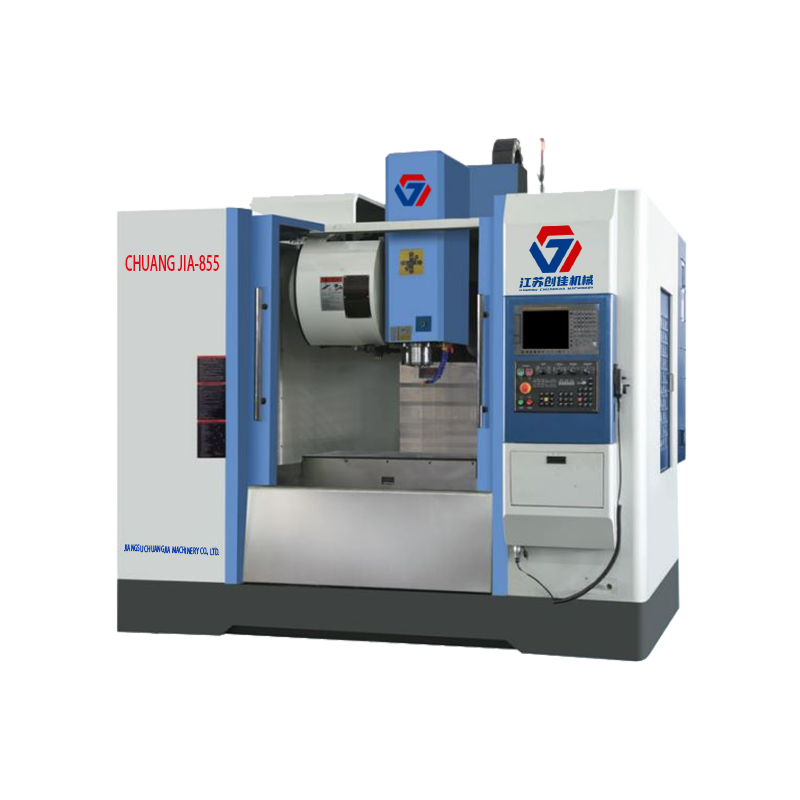
Táto séria obrábacích centier je upevnená v jednostĺpovom tvare A, mobilná konštrukcia pracovného stola, vysoká hmotnosť základných častí, nízka hm...
Pozri Podrobnosti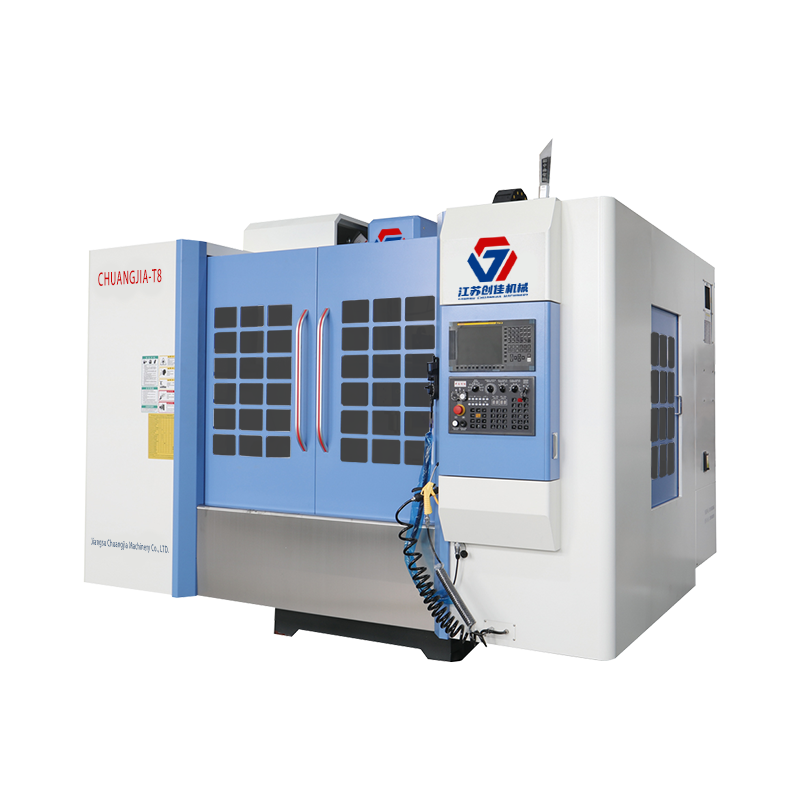
Vŕtacie a závitovacie centrum ZN-T8 má všeobecnú obsluhu, vysokú spoľahlivosť, ultravysoký nákladový výkon, používa sa hlavne vo výrobnom priemysle...
Pozri Podrobnosti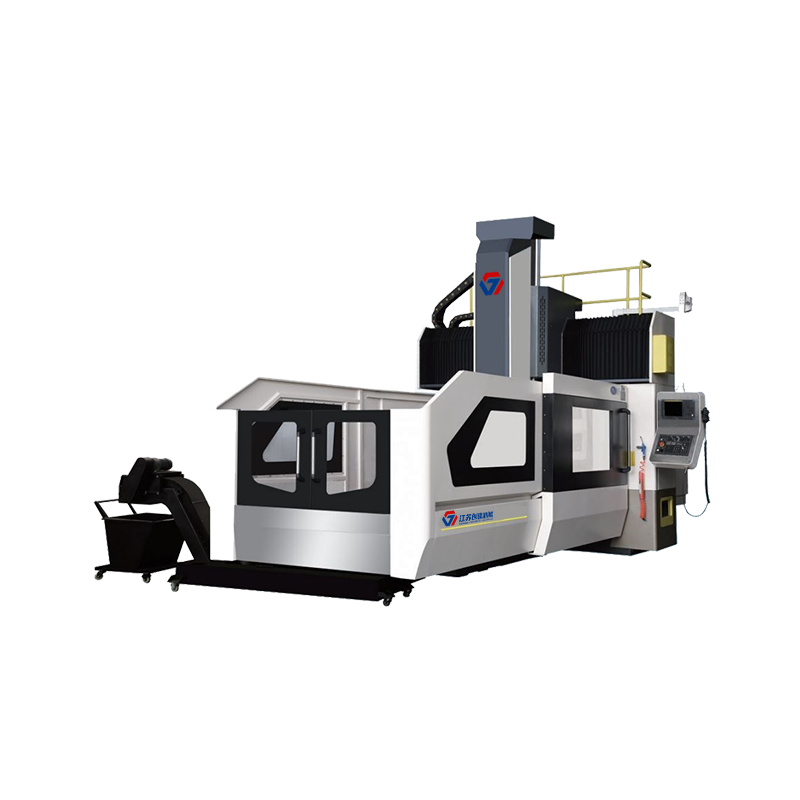
Trojosová plocha tejto série portálových obrábacích centier využívajúcich vysokovýkonné valčekové vedenie, ktoré sa udržiava ľahko, má nízky odpor ...
Pozri Podrobnosti
Stroj má štruktúru pevného portálového rámu a pohyblivého stola na posteli. Integrovaný dizajn stĺpika nosníka má vlastnosti vysokej tuhosti a pres...
Pozri Podrobnosti
Stroj má štruktúru pevného portálového rámu a pohyblivého stola na posteli. Integrovaný dizajn stĺpika nosníka má vlastnosti vysokej tuhosti a pres...
Pozri Podrobnosti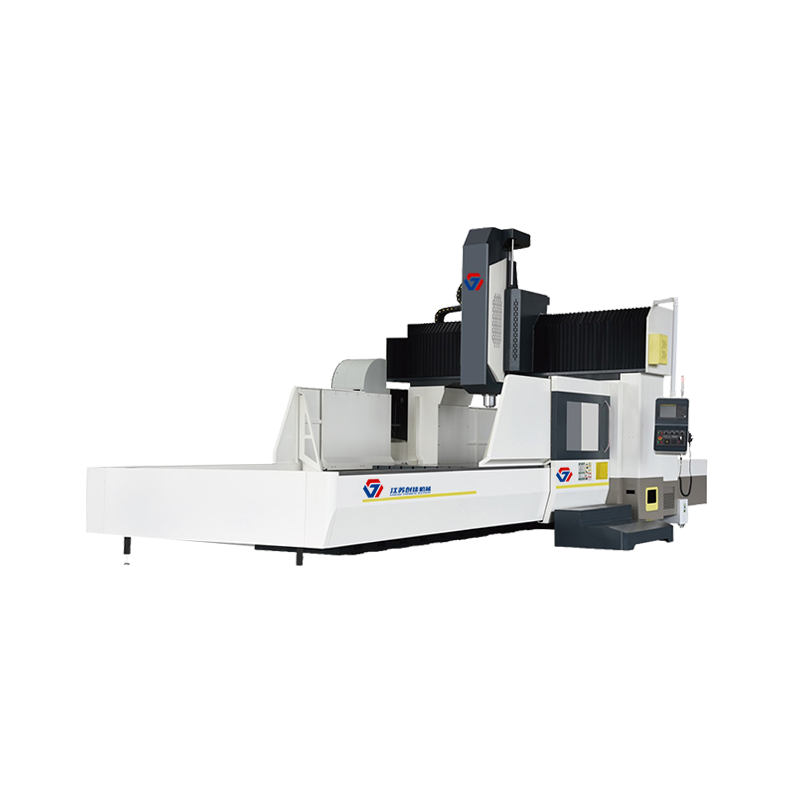
Stroj má štruktúru pevného portálového rámu a pohyblivého stola na posteli. Integrovaný dizajn stĺpika nosníka má vlastnosti vysokej tuhosti a pres...
Pozri Podrobnosti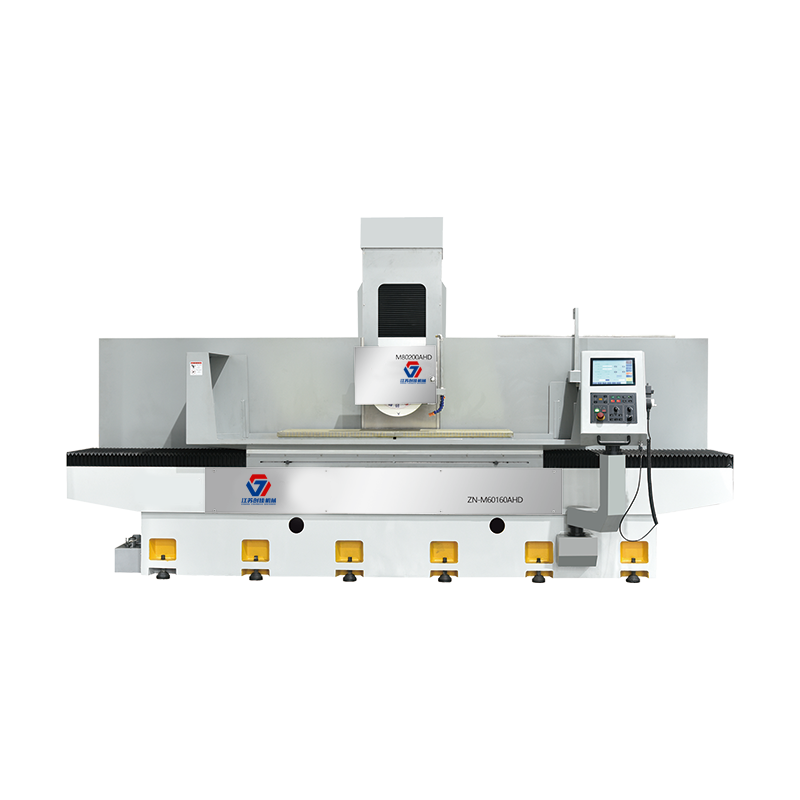
Obrábací stroj je vhodný hlavne na presné brúsenie rôznych kovových materiálov, ako sú rovinné, stupňovité a špecifické tvary, a je široko používan...
Pozri Podrobnosti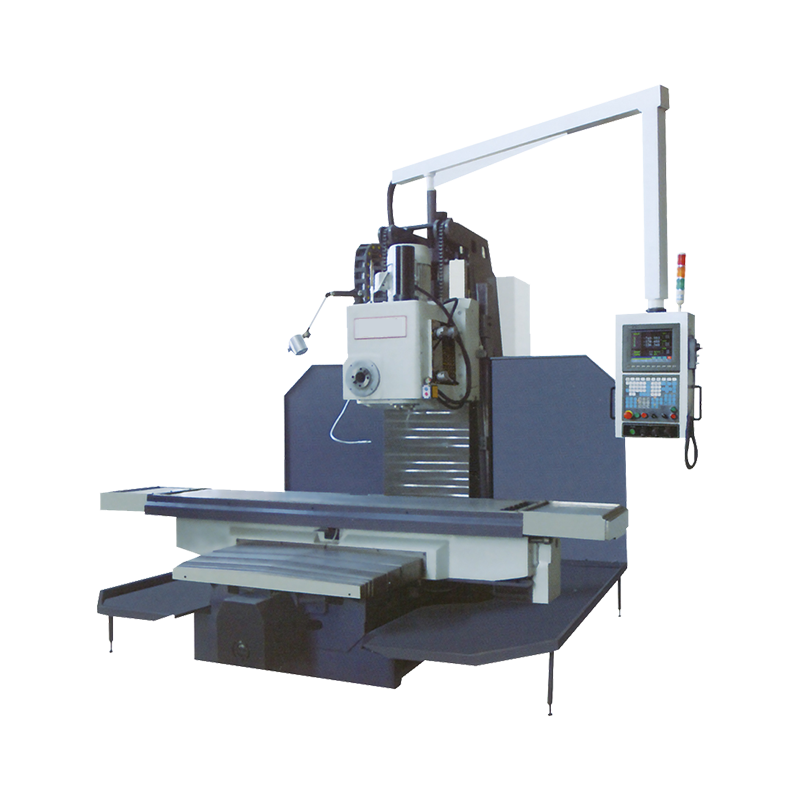
Vybavený jedným vertikálnym a jedným horizontálnym ozubeným vreteníkom, výstupný krútiaci moment je veľký, rezná sila je silná. Po upnutí je možné ...
Pozri Podrobnosti
All rights reserved Jiangsu Chuangjia Machinery Co., LTD.
